

Regaining productivity after procrastinating is typically difficult. The age-old enemy of procrastination creeps into the lives of many, undermining essential tasks and goals. What seems like just a harmless behavior can turn into a massive barrier in terms of achievement.
This routine postponement not only impedes advancement but also has a subtle, harmful effect on mental health. The shame and anxiety that come with putting off activities, especially as the deadline gets closer, can create a neverending stress cycle. It can even impact your closest relationships.
Acknowledging procrastination as a harmful habit is the first step towards escaping its hold and realizing your full potential. Today, we will look at the top twelve strategies for overcoming procrastination. Say goodbye to procrastination and hello to getting your tasks done on time.
Establishing Objectives

Creating objectives is a powerful remedy for procrastination. It provides a little extra aspiration and encourages you to achieve attainable results.
Well-defined objectives provide people with a feeling of direction and purpose, which is a great way to increase motivation. Procrastination is also less likely when large goals are broken down into smaller, more doable activities. This way, you will not perceive the task as too overwhelming, which can affect the way you work.
Setting clear, attainable goals promotes clarity and focus, which helps you achieve your objectives. Overall, this is a great way to overcome procrastination.
Setting Your Priorities Straight

Setting priorities can help you feel more in control of your time. This is especially helpful since procrastination can give you the perspective of being faced with heavy workloads. By setting your priorities, you can efficiently direct your attention toward high-priority projects according to their urgency.
Similar to the last point, this approach reduces the impression of having too much to accomplish by providing a planned roadmap, which guarantees important chores are completed effectively and on time. You can successfully combat procrastination by carefully arranging your schedule and setting priorities.
The Pomodoro Technique
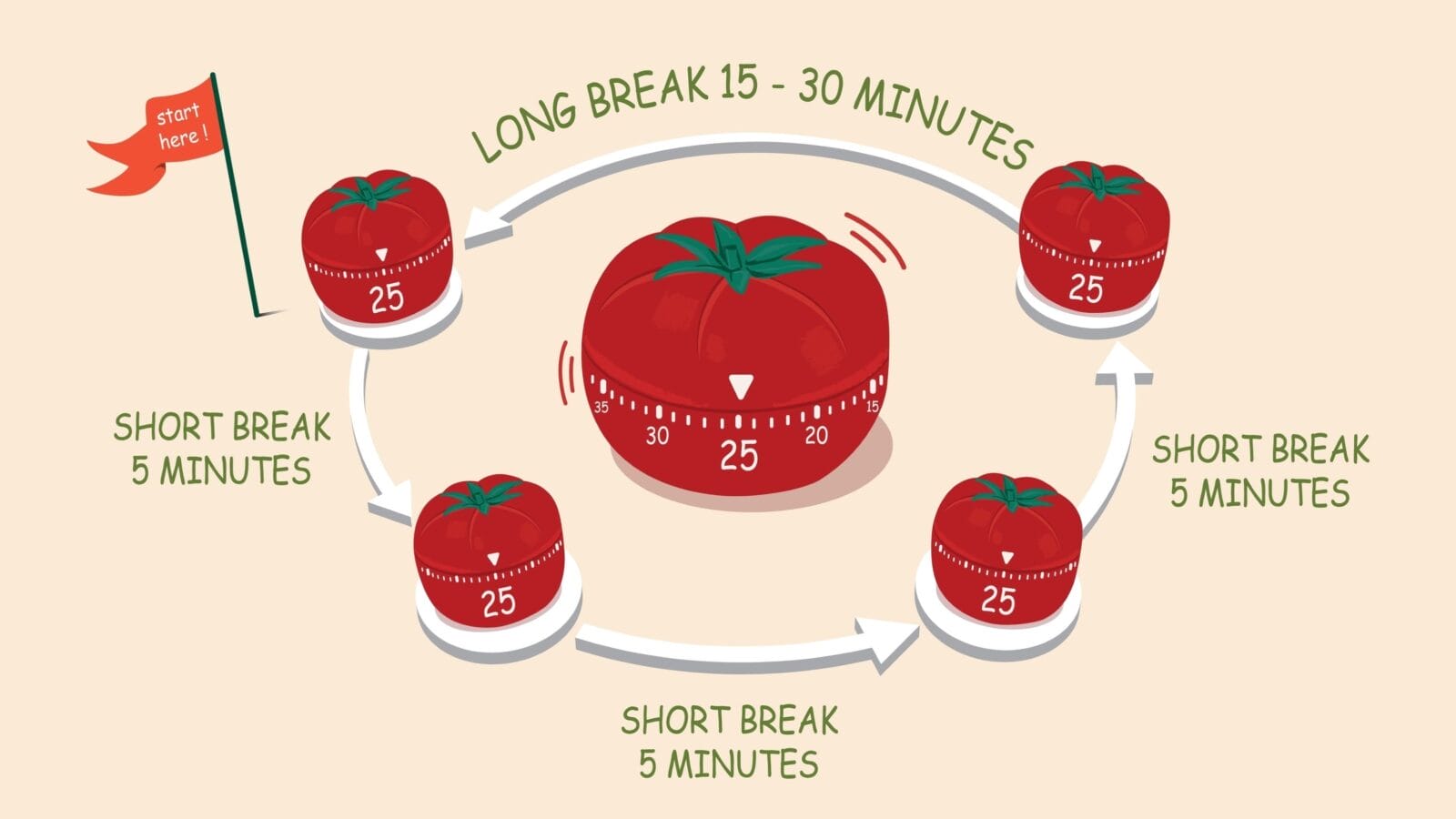
The Pomodoro Technique focuses on time-bound work intervals, which helps reduce procrastination.
The term “Pomodoro,” from the Italian word for “tomato,” refers to dividing work into manageable chunks of time, usually 25 minutes, and then taking a little break. By working in small intervals, human psychology comes into play. The human mind perceives time restrictions as worrisome or stressful, but by adding in small breaks, you can trick yourself into working towards your break time.
Because of the sense of urgency generated by scheduled intervals, you can get more work done, which creates a balance between work and play. Over time, you will notice that your productivity only gets better, and jobs are easier to begin and finish. This is a great way to overcome procrastination and get everything done on time.
Add a Bit Of Structure and Consistency

Structure and consistency are highly important when getting all of your work done. Routines are often considered a very effective way to overcome procrastination. Routines reduce the mental effort needed to commence your everyday tasks by establishing a framework that becomes habitual over time. As you go about your routine, you will eventually establish a natural rhythm by setting aside specific hours for work, breaks, and leisure, which, in turn, will keep procrastination to a minimum.
Consistency is always key, and by establishing a strict routine, you can become more disciplined and reduce the likelihood of giving in to procrastination.
Organizing Your Work

Similar to the Pomodoro Technique, organizing work into manageable chunks is an effective way to combat procrastination. It can be intimidating to be presented with a task that is seen as “big and scary.” Breaking it down into smaller, more doable pieces makes each one less difficult. It will become easier to start and finish on time. This also helps lower tension and will help you meet the required benchmarks. By organizing your work, you can effectively overcome procrastination and create a more productive atmosphere.
Keep an Optimistic Outlook

Keeping an optimistic outlook is one of the most effective ways to kick procrastination to the curb. By motivating yourself to focus on the possible rewards, you establish a sense of accomplishment that comes with finishing your tasks on time.
Remaining optimistic will reduce stress and anxiety while motivating you to complete your tasks effectively. A growth mindset can also help you avoid procrastination. This positive mindset views setbacks as a chance for growth rather than an annoyance. In the end, having a growth mindset and remaining optimistic can help you get through your tasks while showcasing your full potential.
Overcoming Self-Doubt

All of us, at some point, have struggled with self-doubt. Overcoming that, however, is a great way to overcome procrastination. By exploring underlying insecurities such as perfectionism or fear of failing, you can create more focused solutions that can help you discover the root cause of these problems.
Acknowledging and comprehending these internal problems helps you tackle your obstacles while relieving procrastination. This can be done using self-examination, obtaining assistance, or utilizing therapeutic methods. By remaining proactive and determining the root cause of your procrastination, you can get more work done, reducing the amount of procrastination.
Take Advantage of Productivity Tools

Another fantastic way to overcome the dreaded work blues is using productivity tools. Simple tools such as roadmaps, to-do lists, calendars, and productivity apps work hard to reduce the time you spend doing nothing.
These tools improve task visibility and operate as continual reminders of unfinished business, encouraging proactivity and instilling a sense of urgency. With Remind apps or productivity apps, you can use features such as notifications and reminders that draw you away from play time and right into work time. Becoming your manager and managing your workload can reduce procrastination and get more done.
Deadline Awareness

An excellent tactic for overcoming procrastination is deadline awareness. This will give you a sense of responsibility and urgency, which will help you reduce the amount of time you waste. With reasonable deadlines, you can finish your work on time with unneeded delays. This is especially true with a structured timetable.
Deadlines are a great way to organize your work and get everything done. By accepting nearby deadlines and becoming conscious of them, you can, in turn, promote a more efficient and effective workflow without heavy procrastination.
Setting Up a Reward System

Setting up a reward system is a highly effective way to conquer that dreaded procrastination. Setting up a reward system can encourage a more motivated workday. When there is a reward at stake, tasks typically become more interesting. These rewards make for a sense of satisfaction and success.
The promise of a reward is a great way to motivate yourself, even if it’s just a tiny treat. It promotes a positive mindset and encourages a balance between work and gratification.
Take Accountability

This one partners well with the above points. Taking accountability for your actions is an effective way to overcome procrastination. By effectively communicating your objectives, you can stay on the right track.
Choose a close friend or family member to communicate with. By making someone else aware of your goals and projects, you can stay a little more motivated. At this time, psychologists aren’t entirely sure how this works, but once you start talking about your work and what needs to be done, you may become much more motivated to just get it done and over with.
By establishing the framework for frequent check-ins with what’s known as an “accountability partner,” you can strengthen your motivation tactics and achieve your goals. Together, with the help of your partner, it improves self-discipline and turns procrastination into motivation.
Eliminating Distractions

Did you know that once a human becomes distracted, it can take 23 minutes to become focused again? Eliminating distractions makes it easier to work focused, which is a powerful tactic for overcoming procrastination. You can do this by reducing time on your digital device or even hiding your device. Turn off your TV and any other distracting items. This will allow you to focus for more extended periods and get everything done punctually.
By taking a deliberate and strict approach, you can more easily get into the flow of work, which will increase overall productivity. Beating procrastination is crucial for both professional and personal development. Recognizing the causes of this behavior and accepting that change is possible and necessary for success will help you overcome it. Adopt a proactive attitude by defining your objectives and dividing them into smaller, more doable activities; this is just one of the many ways to reduce procrastination.
A strategic mindset and a dedication to change can help you truly overcome procrastination. Procrastination might seem very tempting, especially if you’re overwhelmed. However, this bad habit can turn into a destructive habit that steals time, potential, and self-worth.
